Evidence Literacy
What a Systematic Review Does—and Does Not—Tell You About a Supplement
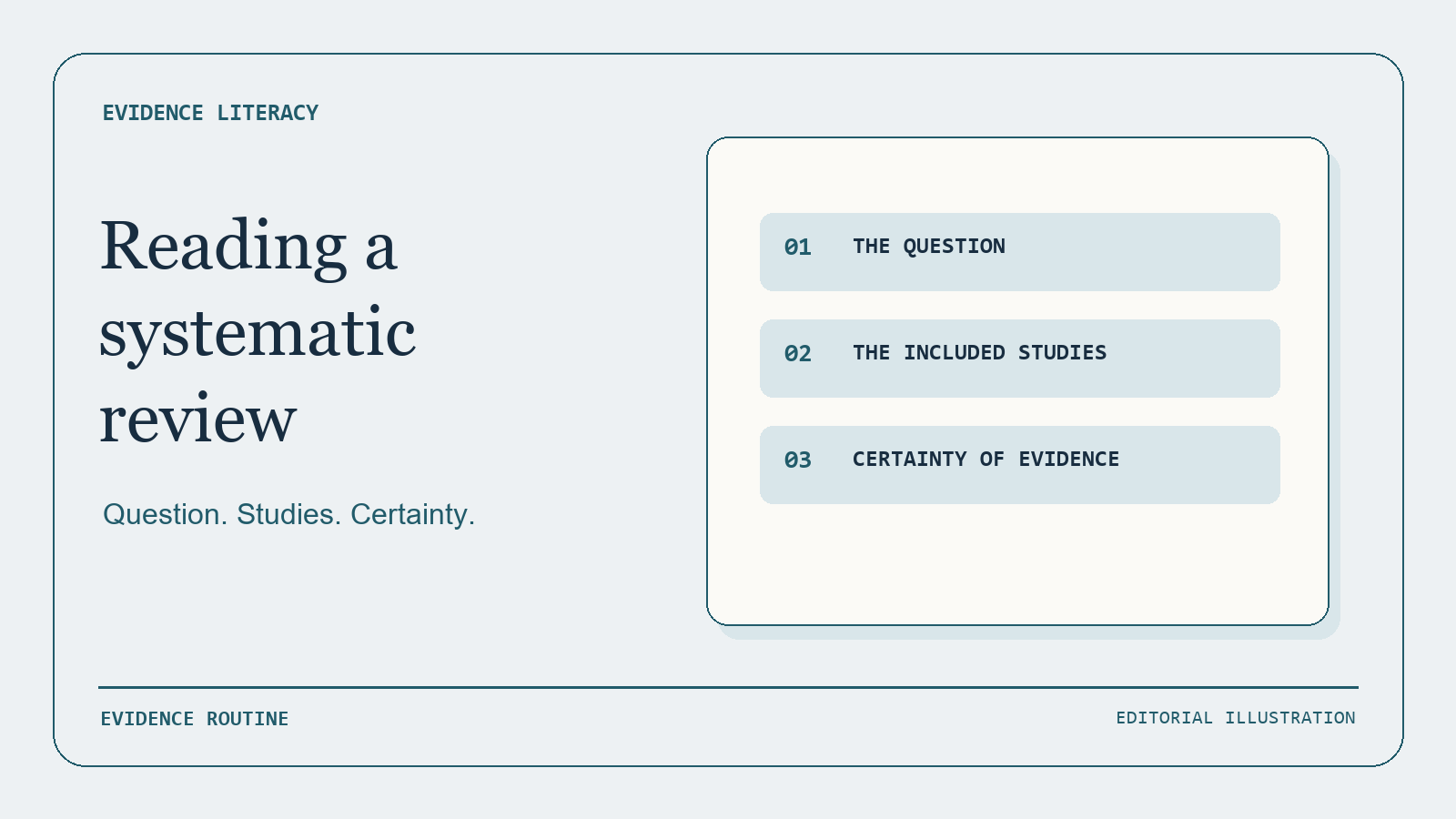
A systematic review can be powerful evidence, but only for the population, intervention, outcome, and level of certainty it actually covers.
Browse the archive
Evidence Literacy
A systematic review can be powerful evidence, but only for the population, intervention, outcome, and level of certainty it actually covers.
New Research
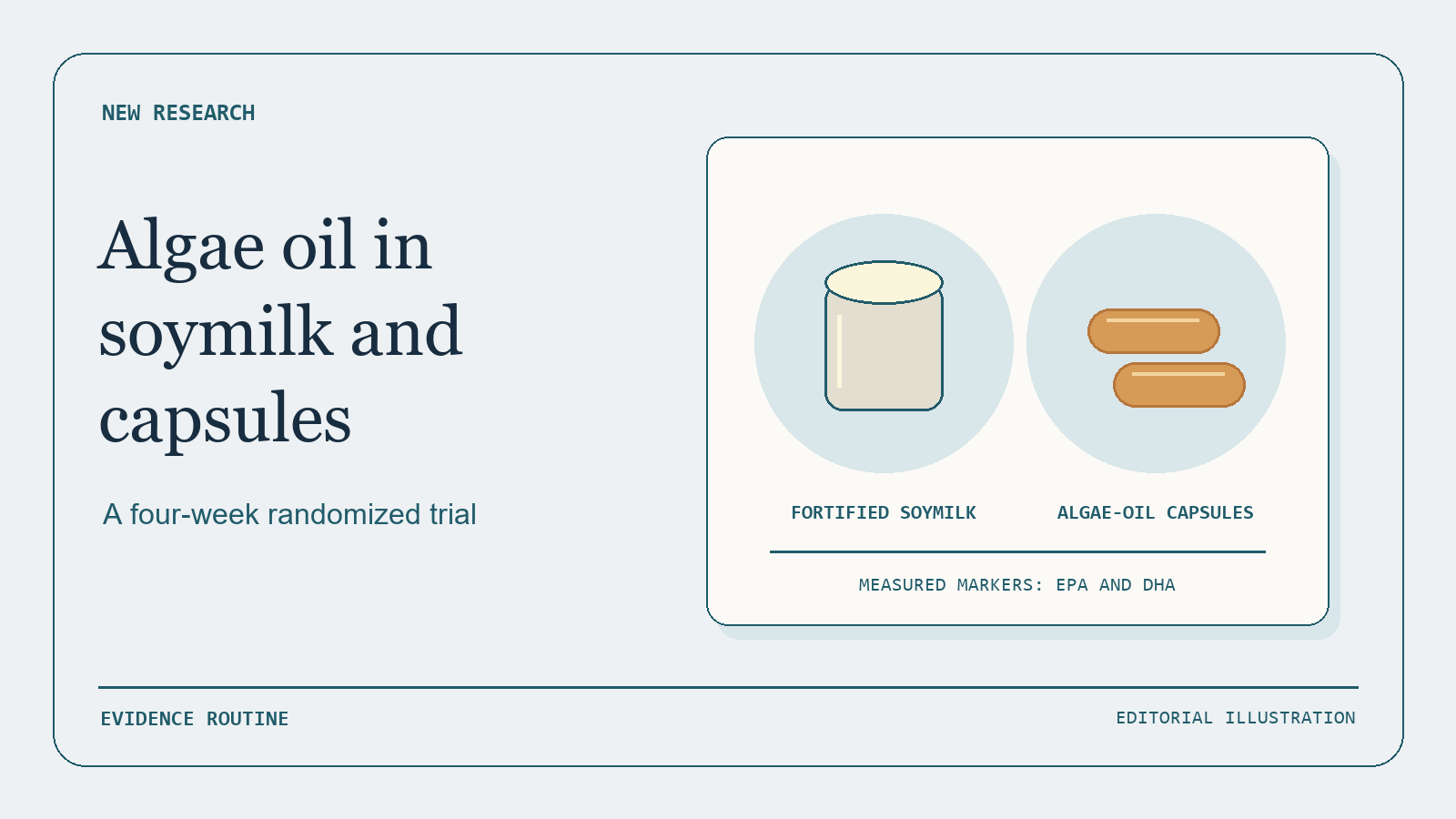
In a four-week open-label trial of 21 healthy adults, both an algae-oil-fortified soymilk and algae-oil capsules increased EPA and DHA in blood measures. After accounting for intake and adherence, the study found no significant difference in accumulation between formats.
New Research
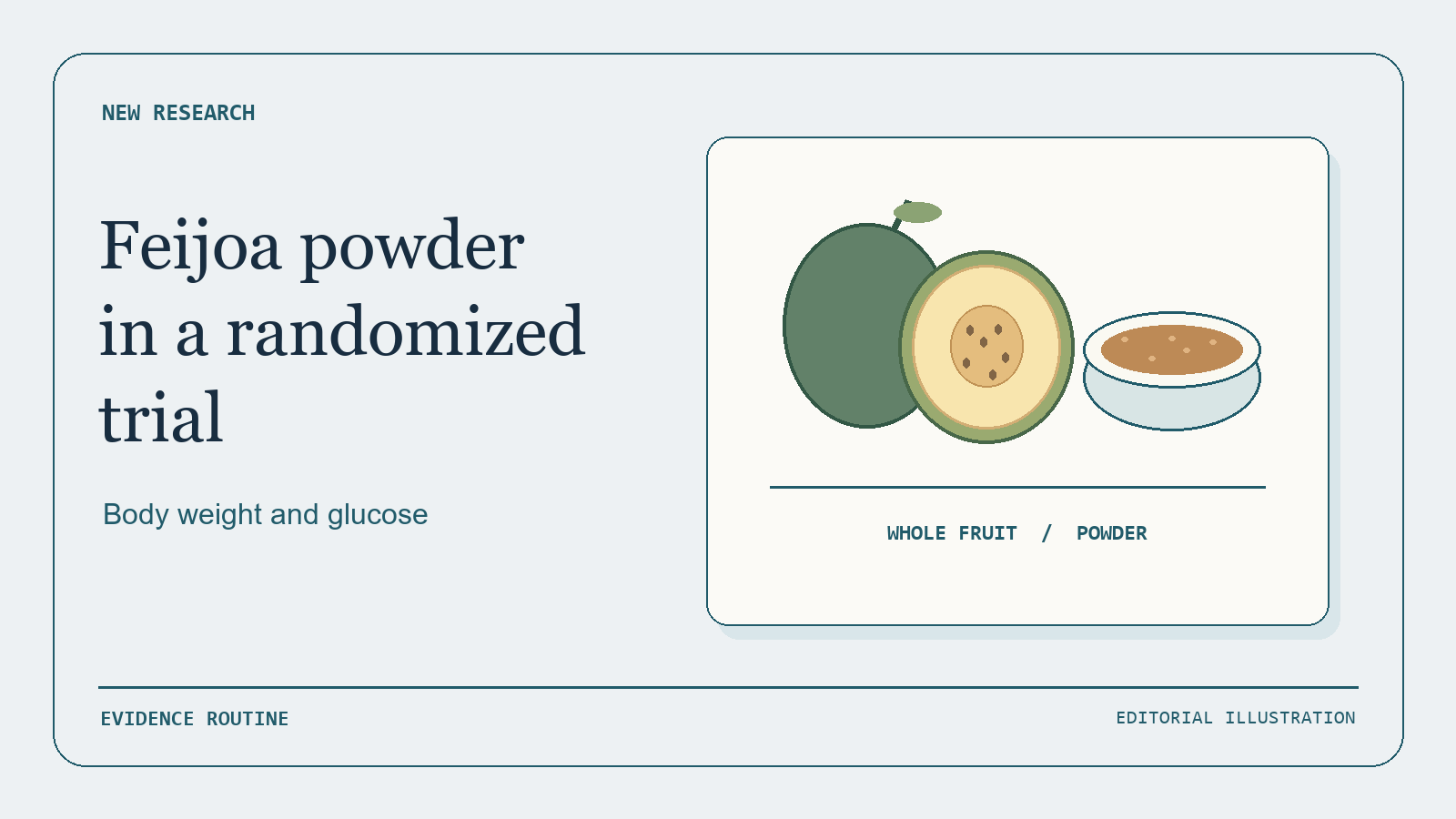
In a randomized trial of 97 adults with overweight and prediabetes, 1,150 mg/day whole-fruit feijoa powder did not differ from placebo for weight or fasting glucose over six months. A blood-pressure signal was a secondary finding.
New Research
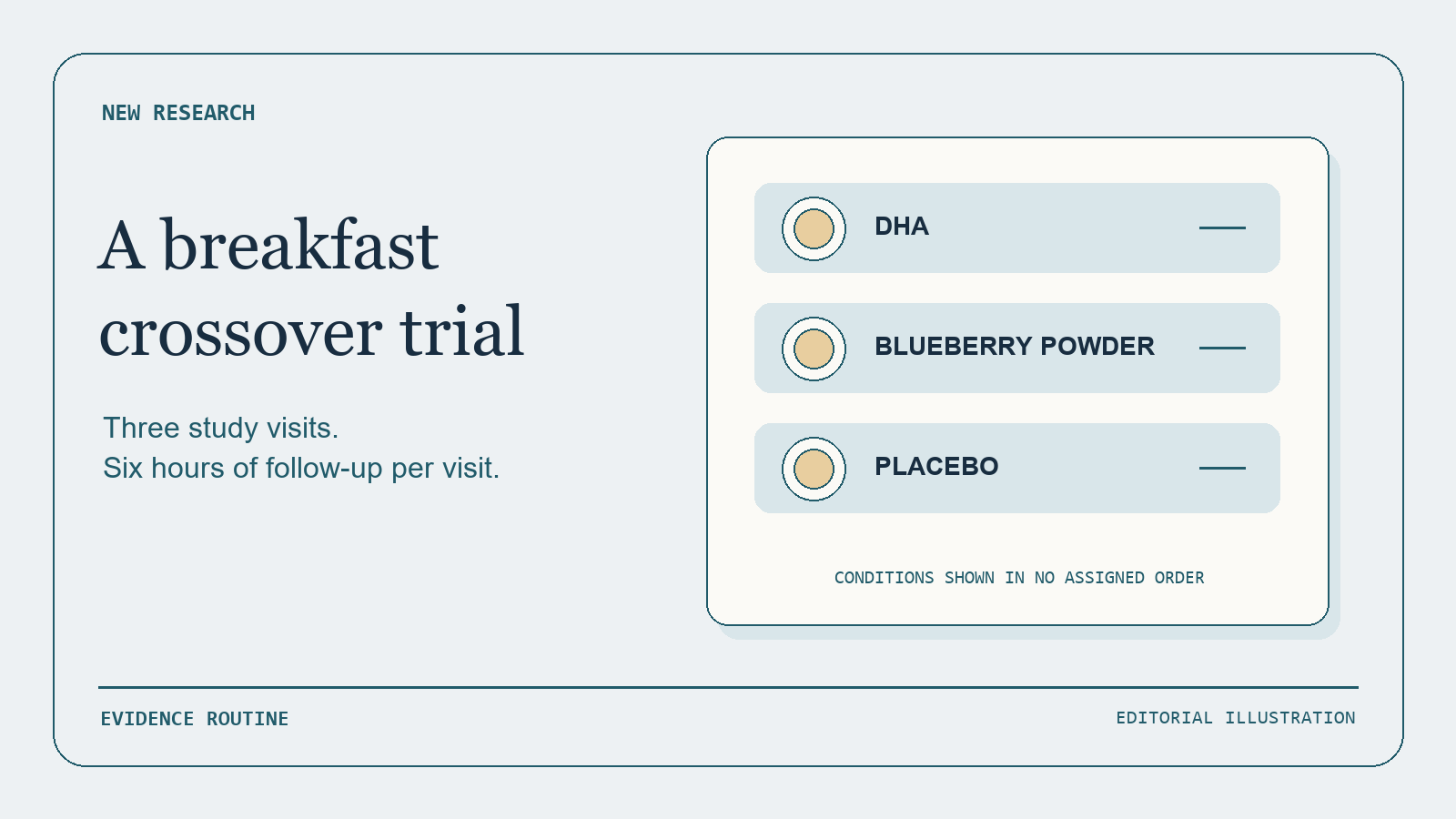
A randomized crossover study in 62 healthy adults compared 1.76 g DHA, blueberry powder, and placebo with a standardized high-fat breakfast. Its measurements were short-term biomarkers, not clinical outcomes.

New Research
In the MoKaRi trial, a cardioprotective dietary program plus 3 g/day EPA+DHA was associated with larger changes in CERT2 than the same dietary program alone. The endpoint was exploratory and biomarker-based.

New Research
A 2026 randomized trial found that four weeks of pure EPA supplementation changed several red-blood-cell fatty-acid measures in healthy adults. The study tracked biomarkers, not clinical outcomes.

New Research
A 2026 randomized crossover trial found no statistically significant LDL-cholesterol difference between 2 g/day plant sterols and placebo in 23 adults with obesity. Its small size and specific population matter when reading the result.

Evidence Literacy
A trial registry can show what researchers planned to measure before results were known—but it cannot, by itself, establish that a supplement works.
Evidence Literacy
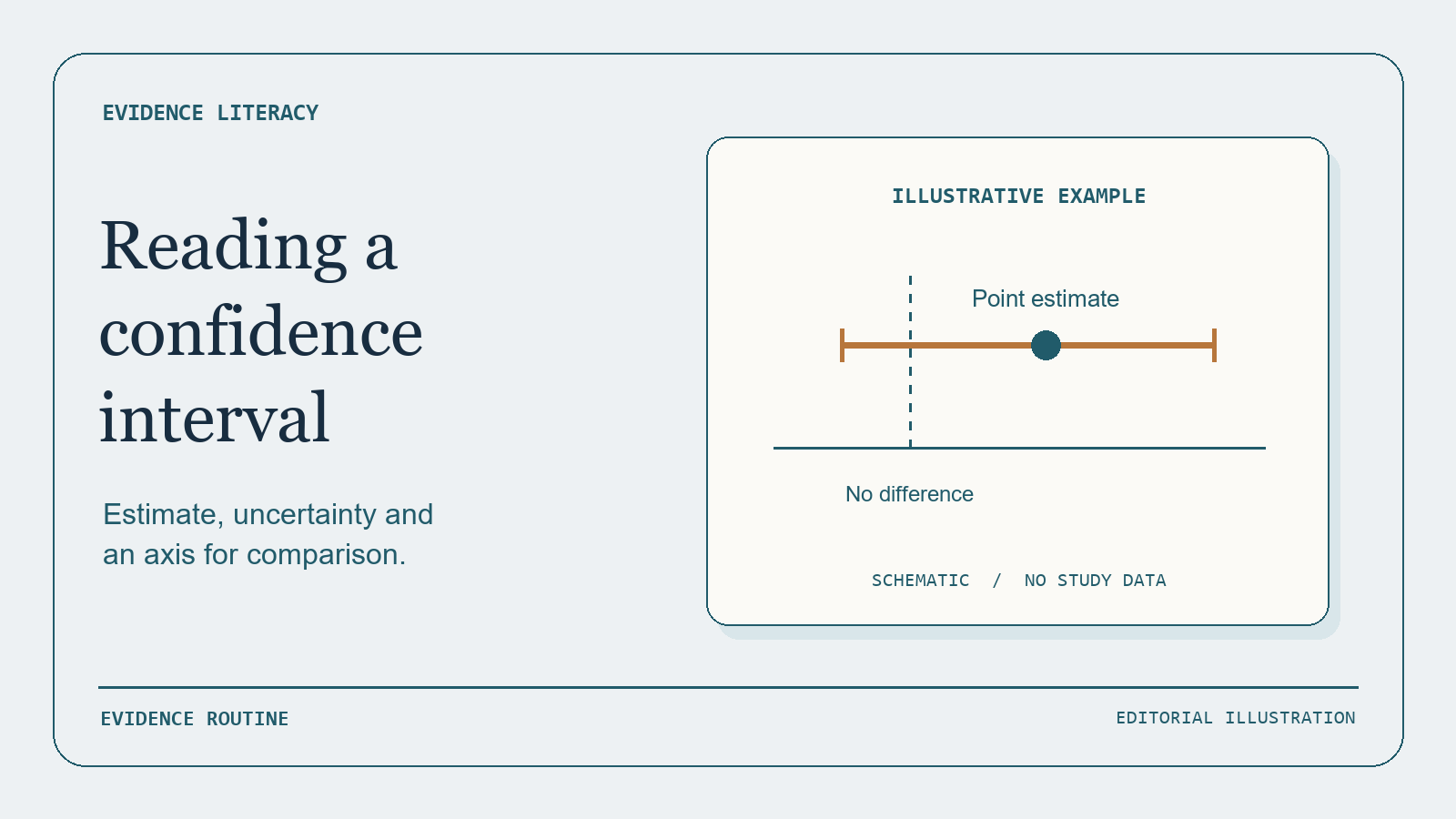
A confidence interval does not make a result true or false. It shows how much uncertainty remains around an estimate.

Evidence Literacy
A practical way to pause before treating a wellness headline, study summary, or product claim as settled evidence.